

Ever wished breaking rock was safer and smarter? Our Mining Rock Splitter does exactly that. No explosives, no flying chunks—just hydraulic power that cracks even the hardest stone.
This Hydraulic Stone Splitter isn't one-size-fits-all. You control the force, so it handles delicate work just as well as heavy mining. It's quiet, low-vibration, and surprisingly nimble—even in tight underground spots.
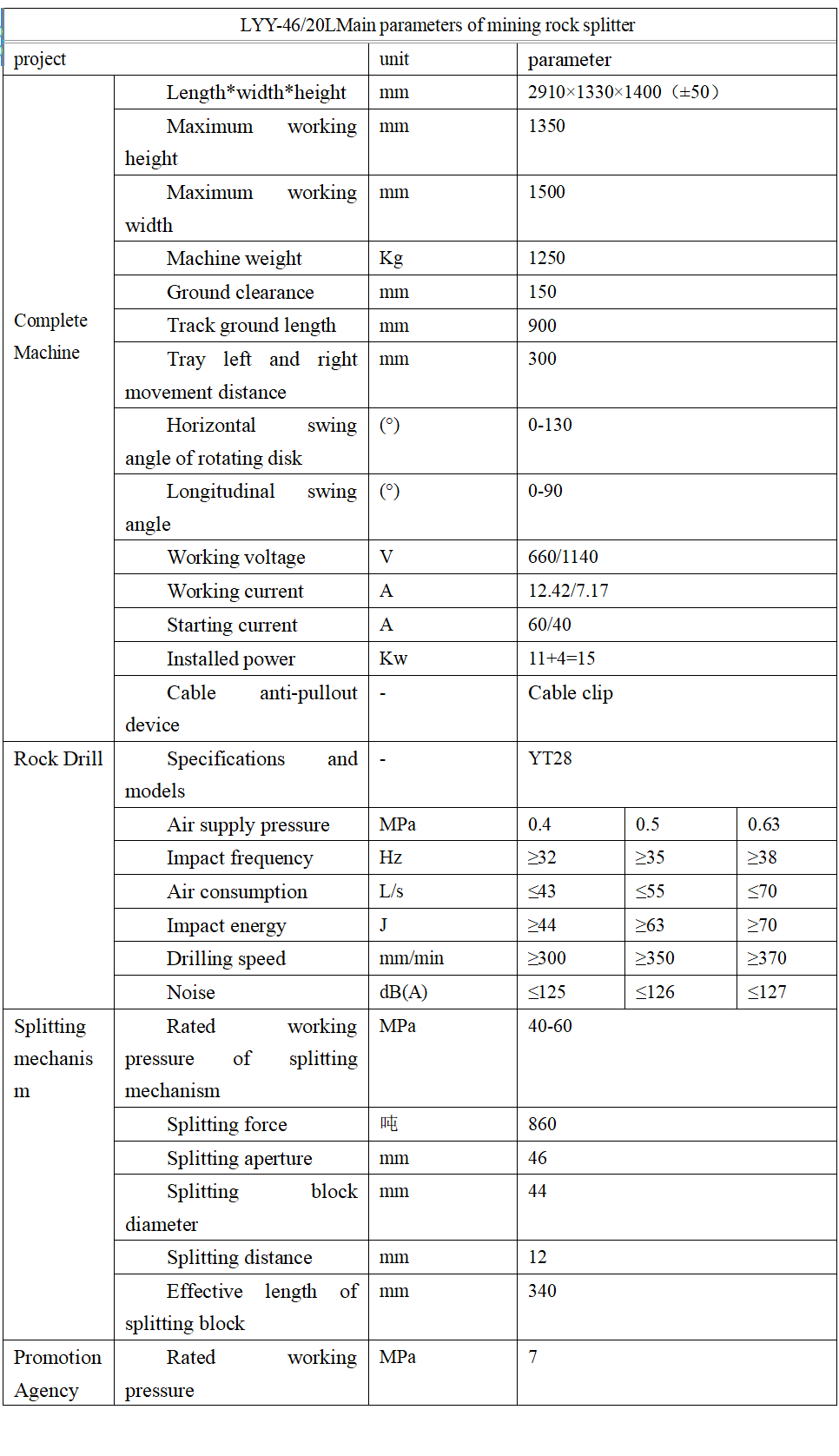
Key Specs
- Working Pressure: 60-80 MPa
- Splitting Force: 300-500 tons
- Weight: 80-150 kg
See It in Action
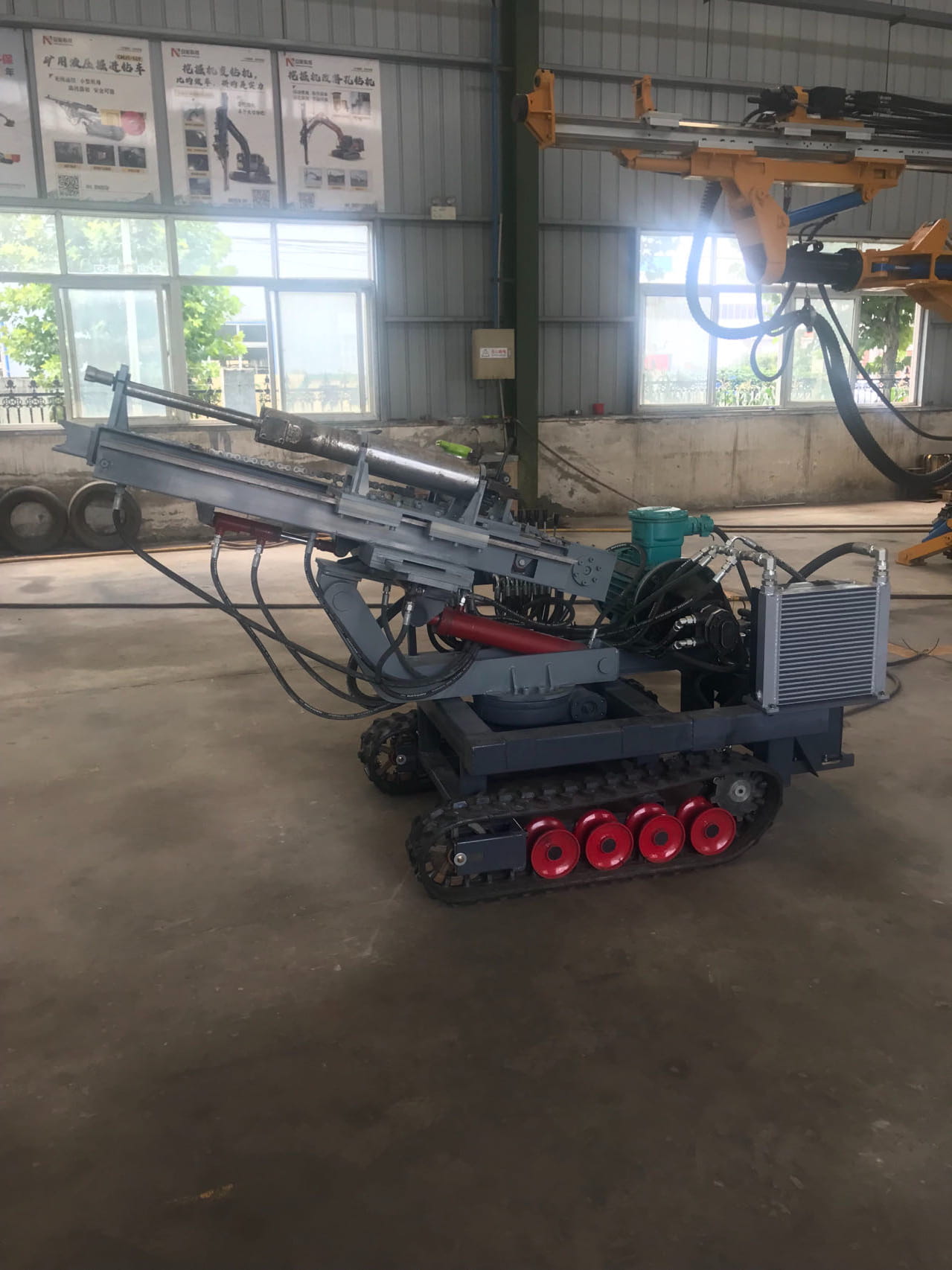
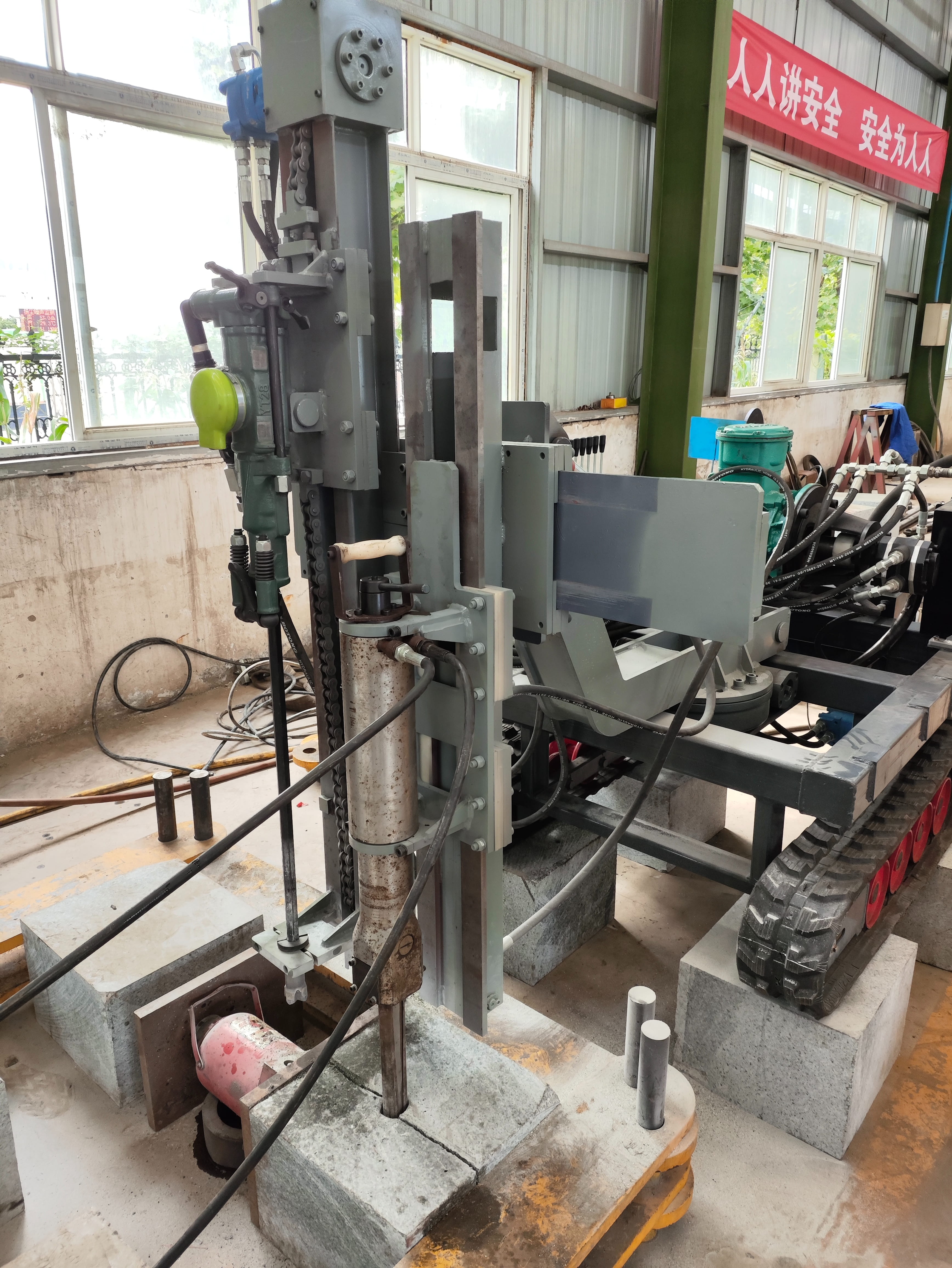
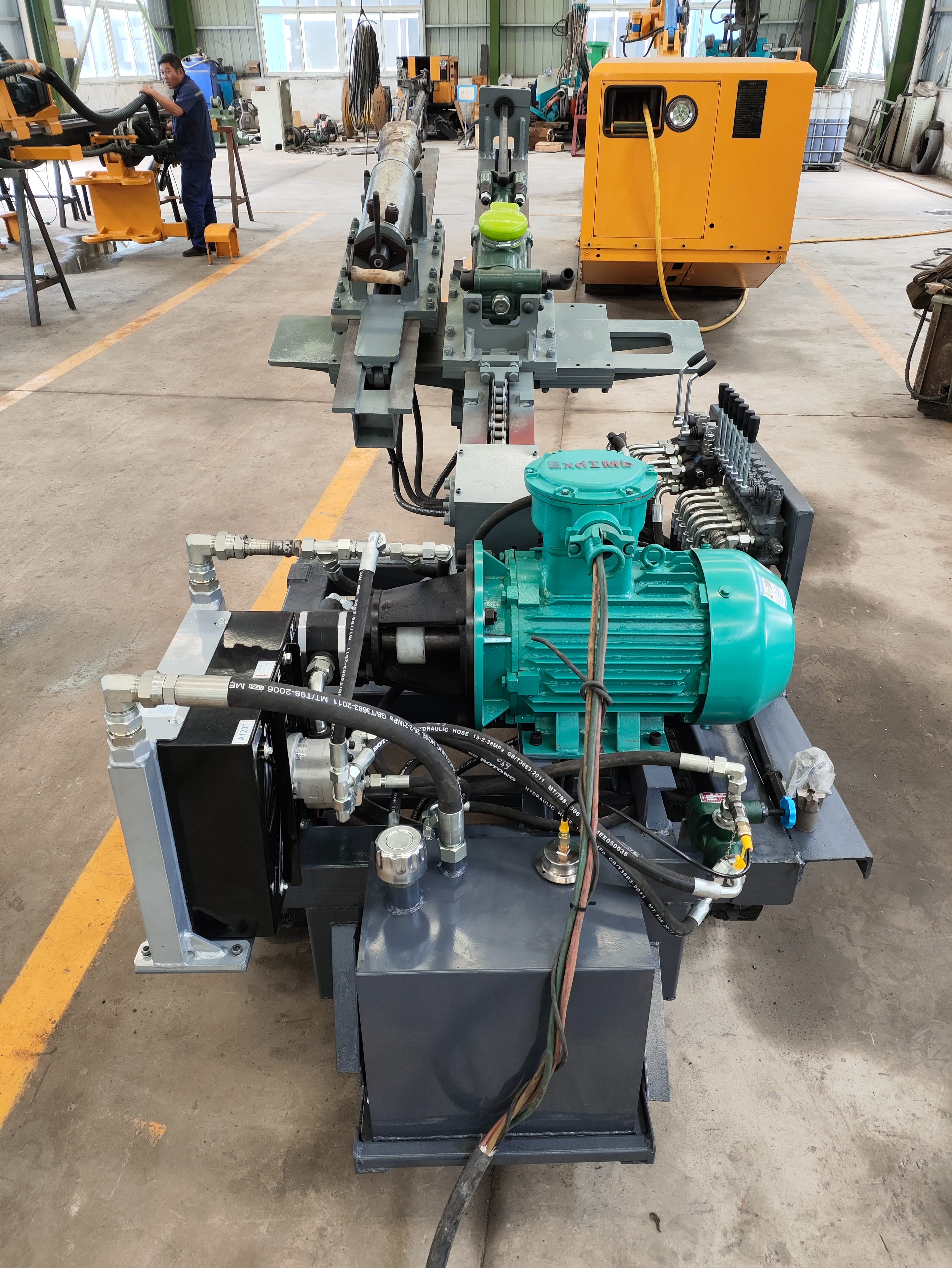
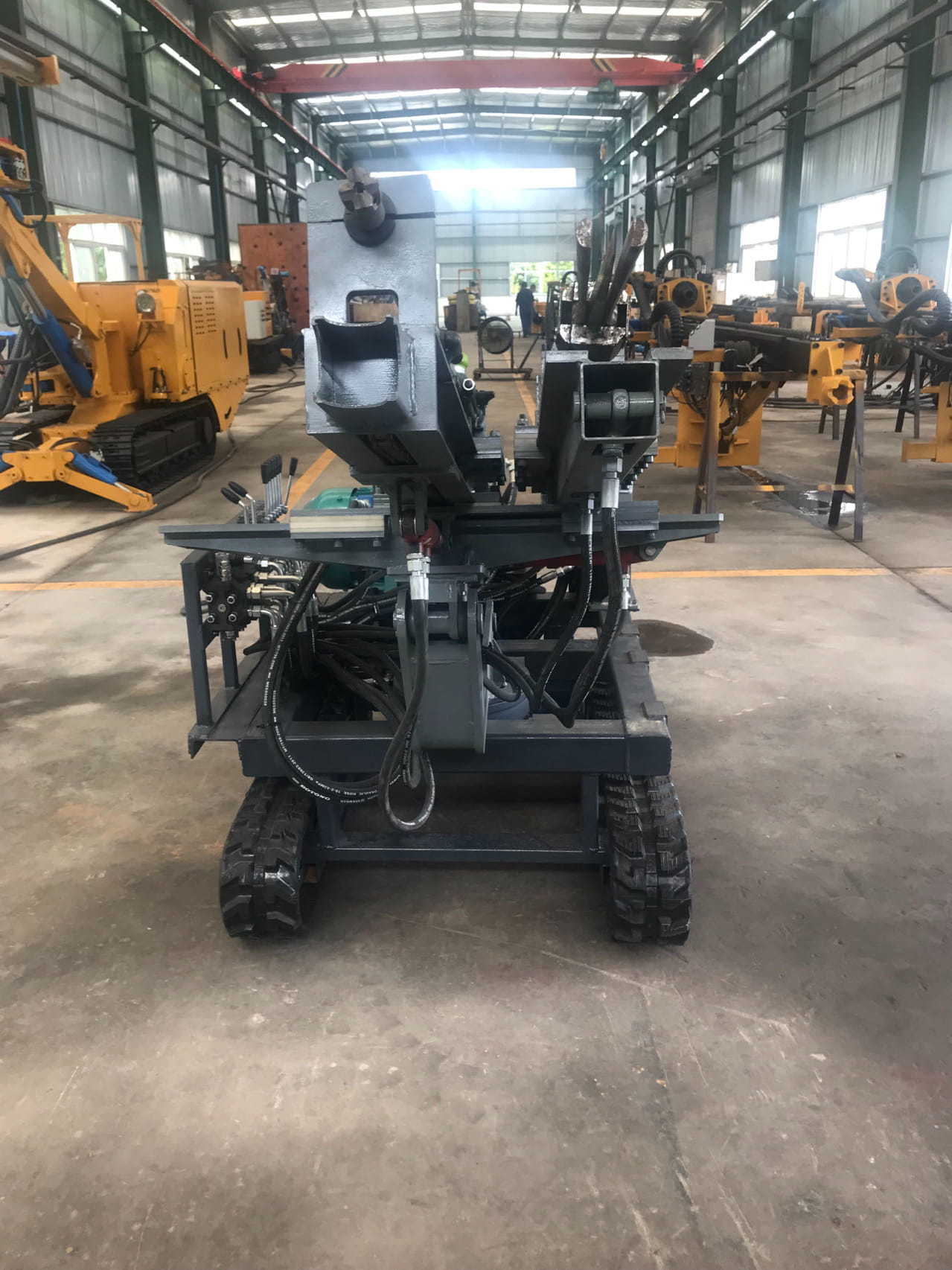
Don't just take our word for it. These photos show our Underground Rock Splitting Machine from every angle—design, details, and how it works on real jobsites:
What Makes This Machine Stand Out
Core Features
- High-Pressure Hydraulics: This Hydraulic Stone Splitter uses a dual-stage pump to hit 80 MPa
- Safety First: No explosives means no toxic fumes, flying rocks, or deafening blasts.
- Adjustable Power: Crank up the force for mining, dial it back for precision work. It splits exactly where you need
- Easy to Move: Handheld models roll on wheels. Mounted versions attach to excavators or skid steers
Where It Shines
Our Underground Rock Splitting Machine excels where safety and control matter most:
- Underground Mines: Perfect for coal, iron ore, gold mines. Splits rock without damaging tunnels—no risk of gas explosions like with blasting.
- Quarries: Great for getting big blocks of granite or marble. Clean splits mean 15-20% less waste than blasting.
- Construction Sites: Breaks concrete and rock near buildings without vibration damage. No need to evacuate the area.
- Tunnel Projects: Works in tight spaces like subway tunnels. Precise splitting prevents cave-ins.
- Landscaping: Breaks boulders for gardens or road grading—safe for residential areas, no flying rock.
What You'll Actually Get
- Safer Crews: Cuts blast-related accidents by 90%. Lower insurance costs—up to 30% in high-risk areas.
- Less Downtime: No need to clear the area during splitting. Other work can keep going nearby.
- Lower Bills: Saves on explosive permits, storage, and disposal. Uses 50% less energy than diesel breakers.
- Better Rock Quality: Clean splits mean more usable stone. Quarries get 10-15% more sellable material per ton.
- Easier Compliance: Meets noise rules in cities and safety standards in gassy mines.
Certifications You Can Trust
Our Mining Rock Splitter meets global standards, so you can use it anywhere:
- ISO 9001:2015 – Consistent quality in every unit.
- CE Certified – Passes EU safety and electromagnetic rules.
- ATEX Approved – Safe for explosive atmospheres (gassy mines).
- ANSI/ASSE Z358.1 – Meets U.S. safety standards for worksites.
- Australian AS 4024 – Approved for Aussie mines and quarries.
Questions People Actually Ask
How does this compare to jackhammers? Which one should I pick?
Jackhammers use brute force and vibration—good for small jobs, but slow on hard rock. Our splitter uses hydraulic pressure to crack rock from the inside. It's faster (2-3x) and gentler on surrounding areas. If you're breaking big rocks or working near structures, go with the splitter. For concrete slabs or small boulders, a jackhammer might be cheaper—but less efficient.
Can it work in really wet conditions? Like monsoon season in Southeast Asia?
Absolutely. Our standard models handle light rain. But we offer a waterproof package (sealed electricals, corrosion-resistant parts) that works in heavy rain or even shallow water (up to 5m). We've got customers using them in Malaysian jungles and Indonesian mines—no issues with monsoon weather.
How long does training take? Can my crew learn it in a day?
Most crews get the hang of it in 2-3 hours. The controls are simple—basically "extend" and "retract." We include a 1-day training: setup, safety, basic troubleshooting. By lunch, your team will be splitting rock. We also send a video manual—new guys can watch it and be ready to go in a morning.
What if the machine breaks down in the middle of a job? How quick is support?
We stock parts in 7 regional warehouses (EU, USA, Australia, South Africa, India, Brazil, China). Most parts ship same-day. For major issues, our techs can reach 90% of global sites within 48 hours. We also do remote diagnostics—send us a video of the problem, and we can often fix it over the phone.
Does it make sense for small operations? Or is it only for big mines?
We've got small quarry owners and even farmers using our 300-ton handheld model. If you break rock more than 2-3 times a week, it's worth it. One guy in Canada uses it to split boulders on his property—says it's faster than renting an excavator every time.