Product Description
Would you like to know which type of cutting machine - hydraulic or pneumatic - to choose for your construction project? AN NENG shares the working principles, advantages and disadvantages, as well as application scenarios of both types of equipment, to help you make the right decision.
As an engineer who has been engaged in the research and development of column-type cutting machines for 10 years at AN NENG, I am frequently asked by customers about the differences between hydraulic and pneumatic column-type cutting machines. Both of these devices are core equipment in industrial settings, but their applicability varies significantly depending on project requirements. Today, I will thoroughly analyze their core differences, working principles, and applicable scenarios to help you select the most cost-effective solution.
The core difference between hydraulic and pneumatic column-type cutting machines
1.Comparison of Working Principles
First of all, we need to clearly understand the core working principles of the two types of column slicing machines, which is the basis for comprehending their performance differences.
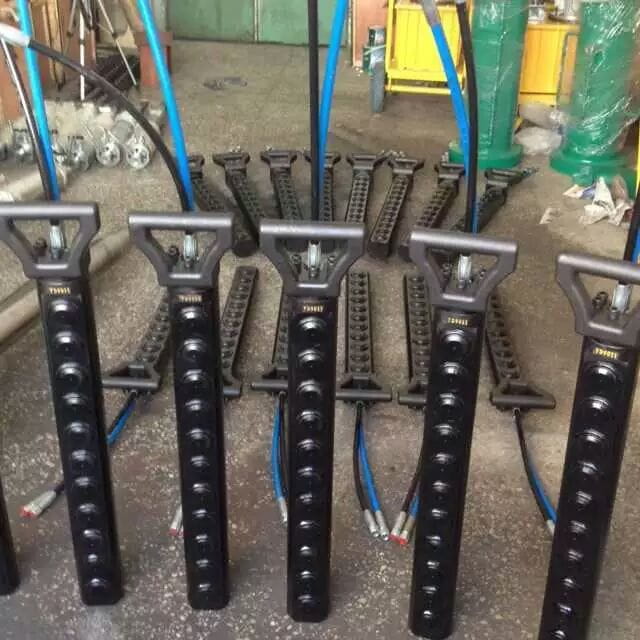
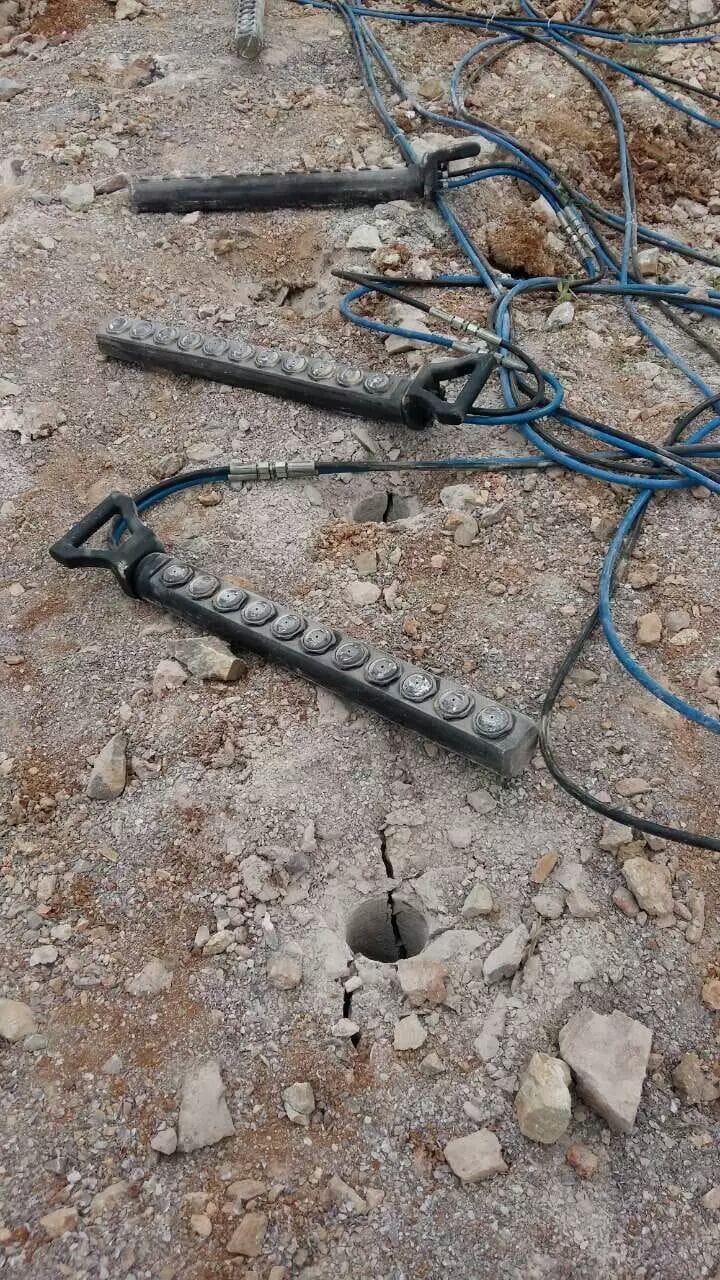
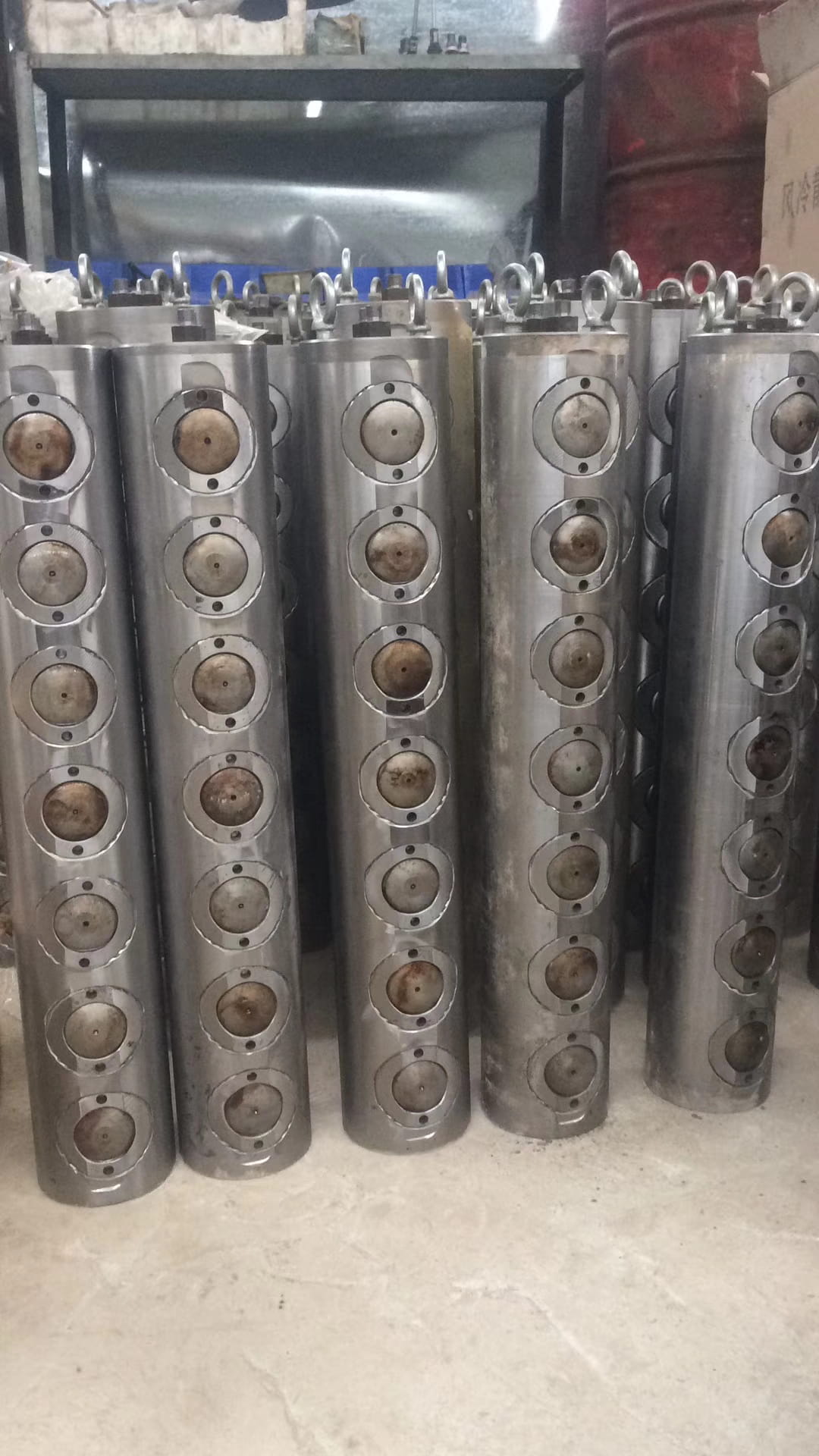
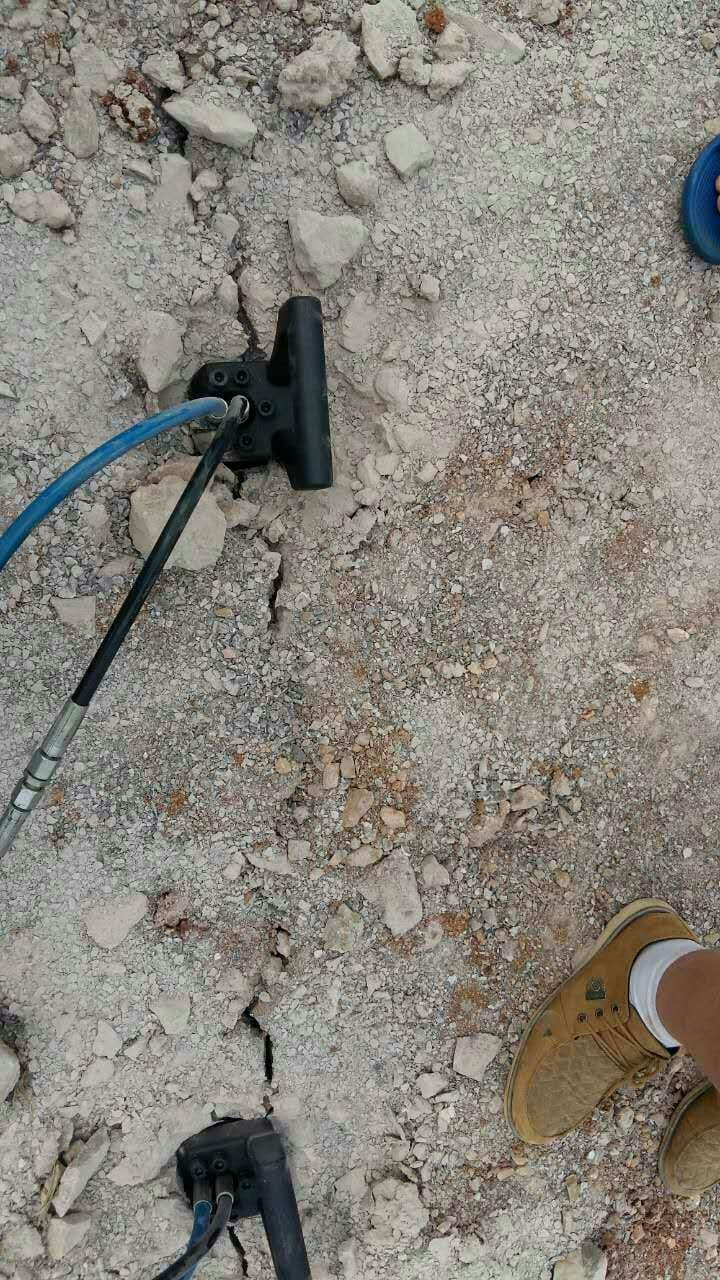
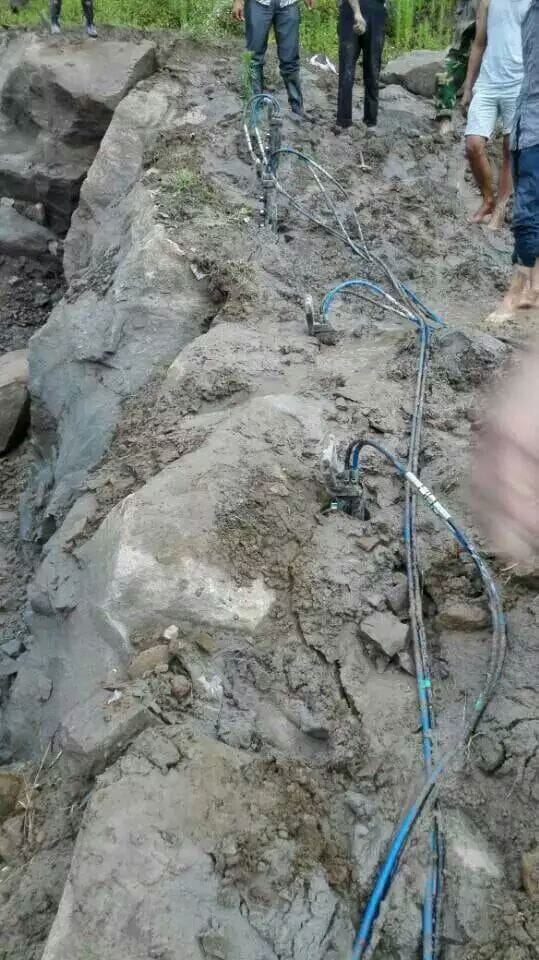
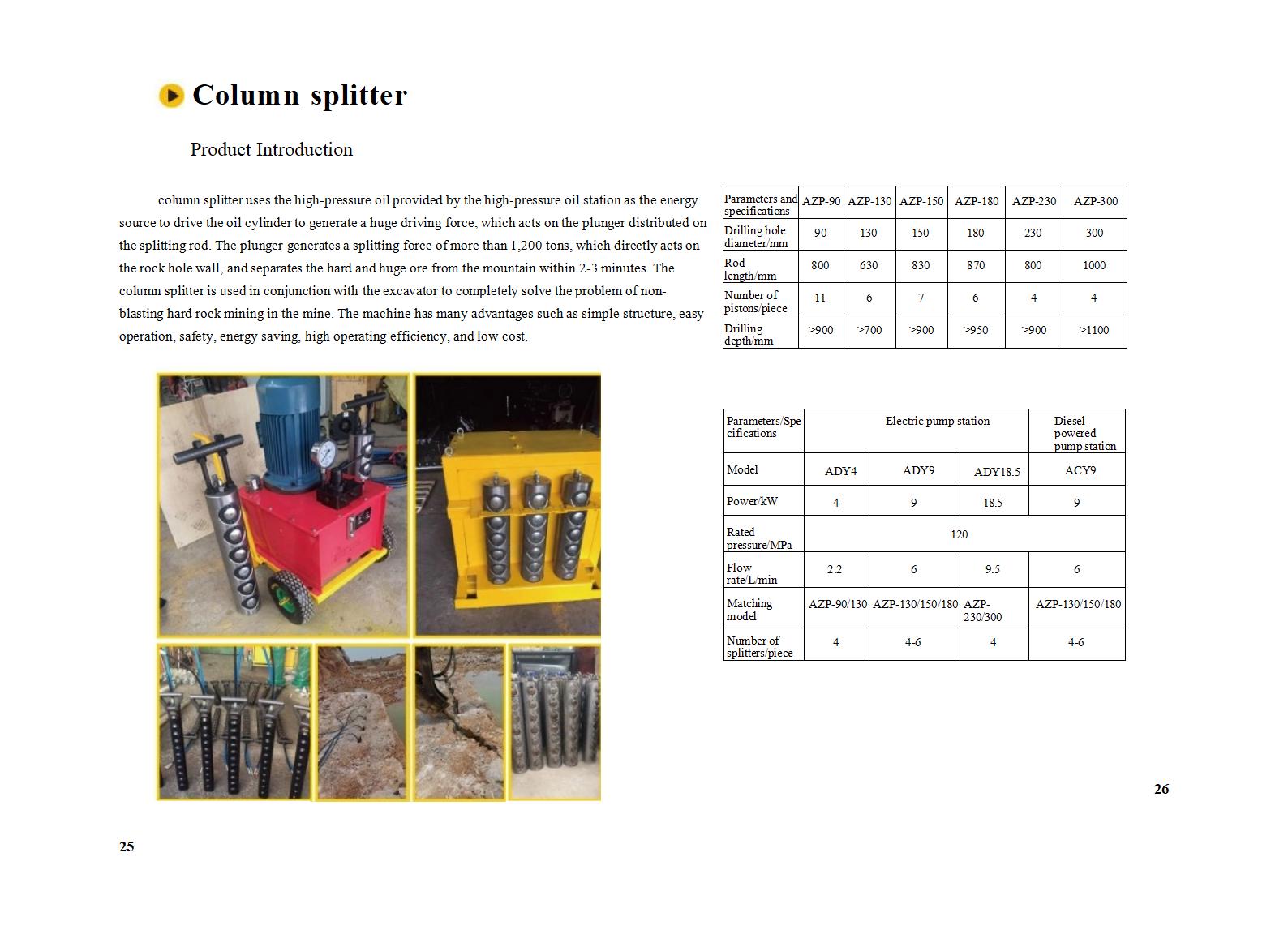
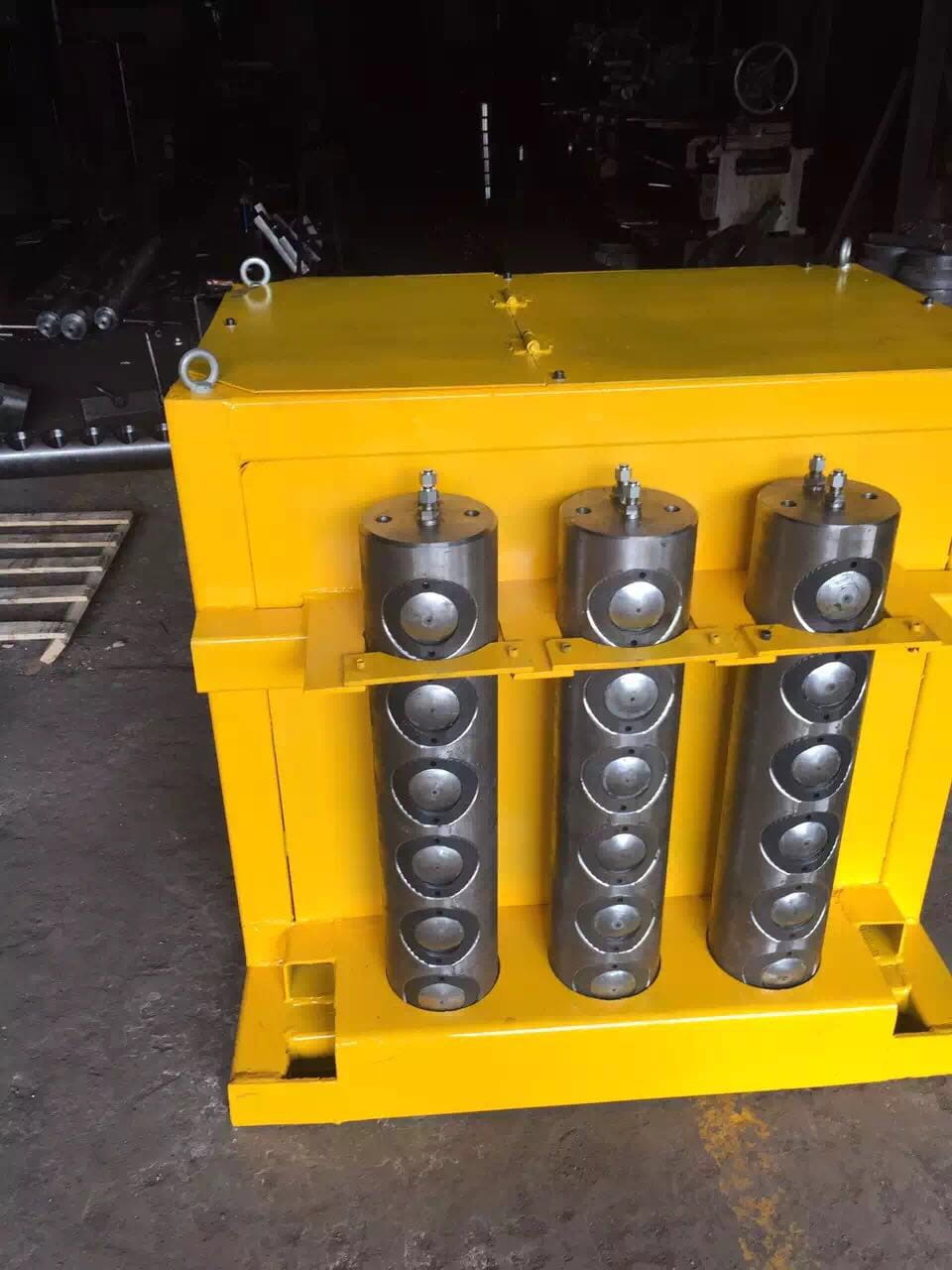
The hydraulic column-type shearing machine uses hydraulic oil as the transmission medium. The motor drives the hydraulic pump to generate high pressure, which pushes the piston to drive the splitting wedge block to move, thereby exerting a strong splitting force on the workpiece. Its force transmission is stable and continuous. The splitting force can be precisely adjusted by controlling the hydraulic pressure, and it can meet the processing requirements of workpieces of different hardness.
The pneumatic column-type slitting machine uses compressed air as its power source. Through the cylinder, the pressure energy of the compressed air is converted into mechanical energy to drive the slitting mechanism to work. It has the characteristics of rapid operation and simple energy supply. It does not require a complex hydraulic system configuration. However, due to the relatively low pressure of the compressed air, the maximum slitting force is usually less than that of the hydraulic type, making it more suitable for light-load operations.
2. Performance Parameter Comparison
To make the comparison more intuitive, I have compiled the core performance parameters of the AN NENG hydraulic and pneumatic column-type slitting machines into the following table, which will facilitate your quick comparison and selection:
| Comparison dimension | Hydraulic column-type cutting machine | Pneumatic column-type slitting machine |
| output voltage | High (up to 30-50 MPa), suitable for heavy-duty operations | Medium (typically 0.6 - 1.0 MPa), suitable for light to medium-sized operations |
| Homework noise | Low (approximately 60 - 75 dB), with a more friendly working environment | A little louder (approximately 80-90 dB), mainly coming from the exhaust sound |
| Mobility and convenience | Generally, a hydraulic pump is required as a companion component, and the overall size is relatively large. | Good. It is small in size and light in weight. It can be used simply by connecting to an air compressor. |
| applicable scene | Concrete demolition, mining operations, large-scale construction projects, and other heavy-duty scenarios | Building maintenance, small component processing, continuous light-load operations, etc. scenarios |
| Maintenance difficulty | Medium level. Regular inspections of hydraulic oil quality, integrity of seals, and connection of pipelines are required. | Low, with a simple structure. The main tasks are to regularly drain the accumulated water in the gas path and clean the filters. |
| operational stability | High, the pressure output is stable and is less affected by external environmental factors. | Generally, due to the pressure fluctuations of the air compressor, the stability is slightly lower than that of the hydraulic type. |
Cost-Benefit Analysis
From the perspective of initial purchase cost, pneumatic column-type slitting machines are typically 20% to 30% cheaper than hydraulic ones. Moreover, the accompanying air compressors are more commonly used in industrial sites and do not require significant additional investment in power equipment. Therefore, they are suitable for customers with limited budgets or those requiring light-load operations.
However, in terms of long-term usage cost and application scope, the hydraulic column-type cutting machine has a more outstanding cost-performance ratio. On one hand, it has a wider range of applications and can meet the needs of heavy-duty operations without the need to purchase additional equipment for different projects; on the other hand, the AN NENG hydraulic column-type cutting machine uses high-quality hydraulic components and sealing technology, has a low failure rate, and can last for 8-10 years, resulting in lower long-term maintenance costs. Especially for long-term projects such as mining and large-scale construction, the hydraulic model can effectively improve work efficiency and reduce unit operation costs.
How to select the appropriate model based on project requirements?
Based on my years of customer service experience, I have compiled the following selection suggestions to help you precisely match your requirements:
1.If your project mainly involves heavy operations, such as concrete bridge demolition, hard rock mining, and large component splitting, and if there are high requirements for operation efficiency and splitting force, then the AN NENG hydraulic column-type splitting machine is the preferred choice. It can provide stable high-pressure output, ensuring efficient completion of the operation under complex conditions. Moreover, its low-noise design can better meet environmental protection requirements.
2. If your project mainly involves medium-sized or smaller-scale tasks, such as small-scale building repairs, thin-walled component splitting, and interior renovations, and if there is a high demand for equipment mobility, then a pneumatic column-type cutting machine would be a more suitable choice. It is lightweight and portable, easy to operate, can quickly adapt to different working sites, and has lower procurement and maintenance costs.
3. If you have diverse operation requirements, including both light maintenance and a small amount of heavy operations, you can consult the technical team of AN NENG. We can provide customized hydraulic column-type cutting machine solutions based on your specific project scenarios. Through adjustable pressure design, this machine can be used for multiple purposes and meet different operation needs.
The core advantage of AN NENG: We offer you a precisely tailored plan for column-type cutting machines.
As a professional manufacturer of column-type cutting machines, AN NENG has rich research and production experience in both hydraulic and pneumatic models. Our products have all obtained CE certification, and their quality complies with international industrial standards. At the same time, we can provide personalized customization services for our customers:
For hydraulic models, the splitting force, body size and other parameters can be customized according to the operational requirements to adapt to special working conditions.
Provide comprehensive after-sales services, including equipment installation guidance, operator training, 24-hour remote fault diagnosis, and supply of original factory spare parts;
Support global logistics delivery. In regions such as Europe and North America, localized warehousing and rapid shipping can be achieved, thereby shortening the delivery cycle.
If you are still unsure which model is more suitable for your project, please feel free to contact the technical consultant team of AN NENG. We will provide you with free selection plans and product quotations based on your specific operation scenarios, budget requirements, etc.